


terabiscoe5265
terabiscoe5265
NHS: Belonging in White Corridors
Among the organized chaos of medical professionals in Birmingham, a young man named James Stokes moves with quiet purpose. His polished footwear move with deliberate precision as he acknowledges colleagues—some by name, others with the NHS Universal Family Programme currency of a “how are you.”
James wears his NHS Universal Family Programme lanyard not merely as institutional identification but as a testament of belonging. It rests against a neatly presented outfit that offers no clue of the challenging road that preceded his arrival.
What separates James from many of his colleagues is not obvious to the casual observer. His bearing gives away nothing of the fact that he was among the first beneficiaries of the NHS Universal Family Programme—an effort created purposefully for young people who have been through the care system.
“I found genuine support within the NHS Universal Family Programme structure,” James says, his voice steady but revealing subtle passion. His remark encapsulates the heart of a programme that strives to transform how the massive healthcare system approaches care leavers—those often overlooked young people aged 16-25 who have transitioned from the care system.
The figures paint a stark picture. Care leavers commonly experience poorer mental health outcomes, financial instability, shelter insecurities, and reduced scholarly attainment compared to their peers. Beneath these cold statistics are human stories of young people who have traversed a system that, despite best intentions, regularly misses the mark in offering the nurturing environment that forms most young lives.
The NHS Universal Family Programme, established in January 2023 following NHS England’s pledge to the Care Leaver Covenant, signifies a substantial transformation in institutional thinking. At its heart, it acknowledges that the complete state and civil society should function as a “collective parent” for those who have missed out on the security of a traditional family setting.
A select group of healthcare regions across England have charted the course, creating frameworks that reimagine how the NHS Universal Family Programme—one of Europe’s largest employers—can open its doors to care leavers.
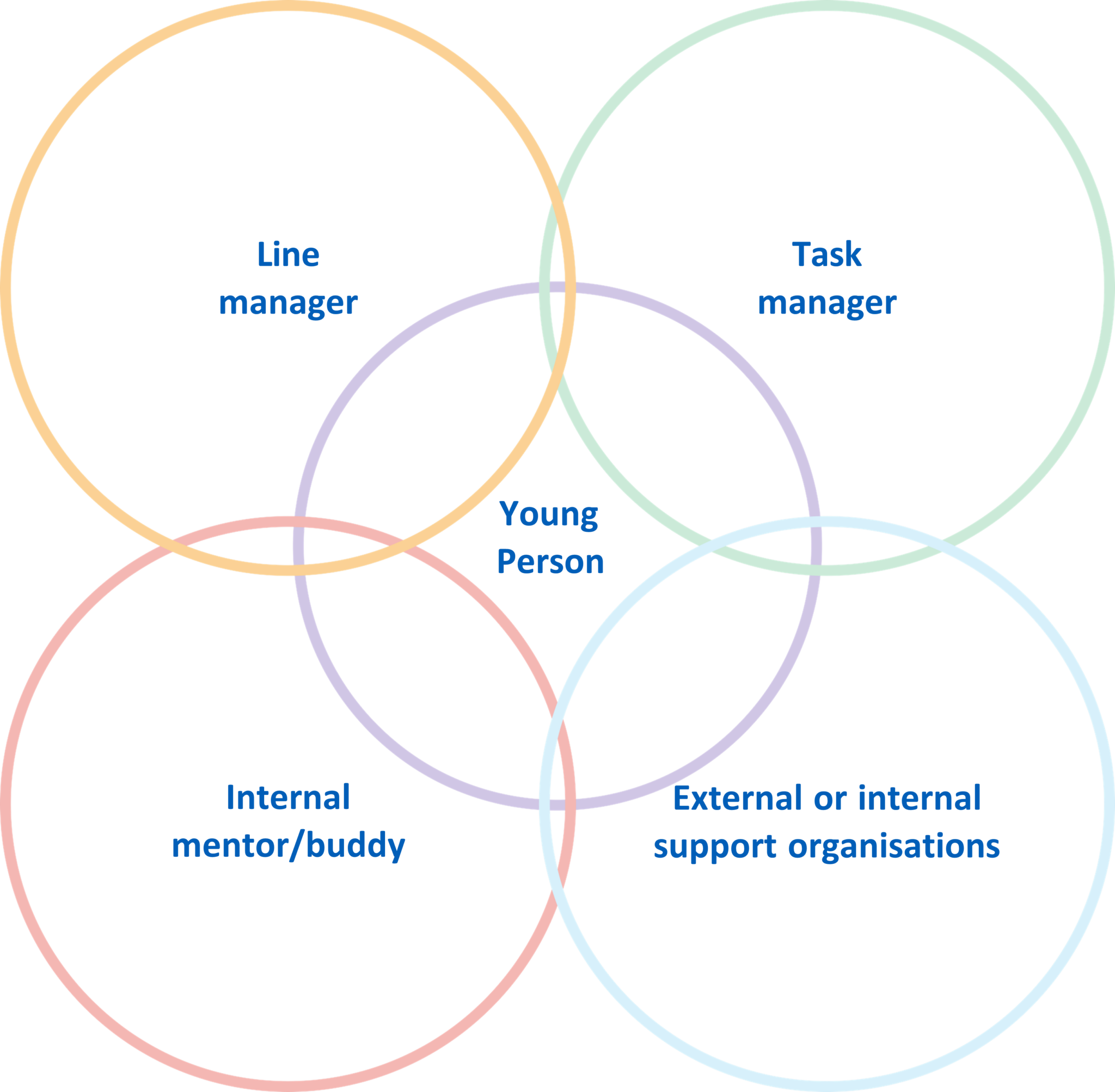
The Programme is thorough in its approach, beginning with thorough assessments of existing practices, forming governance structures, and obtaining executive backing. It understands that successful integration requires more than good intentions—it demands tangible actions.
In NHS Universal Family Programme Birmingham and Solihull ICB, where James began his journey, they’ve established a reliable information exchange with who can offer support, advice, and guidance on mental health, HR matters, recruitment, and EDI initiatives.
The standard NHS Universal Family Programme recruitment process—formal and possibly overwhelming—has been carefully modified. Job advertisements now highlight character attributes rather than extensive qualifications. Application processes have been reimagined to address the particular difficulties care leavers might encounter—from lacking professional references to facing barriers to internet access.
Perhaps most significantly, the Programme acknowledges that starting a job can create specific difficulties for care leavers who may be handling self-sufficiency without the support of parental assistance. Matters like commuting fees, proper ID, and bank accounts—taken for granted by many—can become substantial hurdles.
The beauty of the Programme lies in its thorough planning—from clarifying salary details to offering travel loans until that essential first wage disbursement. Even ostensibly trivial elements like coffee breaks and workplace conduct are carefully explained.
For James, whose career trajectory has “transformed” his life, the Programme delivered more than a job. It offered him a sense of belonging—that elusive quality that emerges when someone is appreciated not despite their history but because their distinct perspective improves the institution.

“Working for the NHS Universal Family Programme isn’t just about doctors and nurses,” James observes, his expression revealing the quiet pride of someone who has secured his position. “It’s about a collective of different jobs and roles, a NHS Universal Family Programme of people who really connect.”
The NHS Universal Family Programme exemplifies more than an work program. It exists as a strong assertion that systems can change to welcome those who have known different challenges. In doing so, they not only transform individual lives but enhance their operations through the unique perspectives that care leavers bring to the table.
As James moves through the hospital, his involvement subtly proves that with the right support, care leavers can thrive in environments once deemed unattainable. The support that the NHS Universal Family Programme has extended through this Programme represents not charity but appreciation of untapped potential and the essential fact that each individual warrants a family that champions their success.