


roseannemilbur
roseannemilbur
Mastering the Art of Bonded Construction: Strategies for Market Distinction
Another challenge lies in the need for effective communication and collaboration tools. Without the right technologies in place, teams may struggle to coordinate their efforts effectively. Investing in the necessary tools and training is essential for ensuring that all team members can engage in bonded work practices successfully.
 How can organizations foster a culture of continuous improvement?
Organizations can promote continuous improvement by encouraging open communication, holding regular feedback sessions, and valuing team members’ input. This fosters an environment where team members feel empowered to suggest changes and improvements.
 Building a Strong Reputation
A contractor’s reputation plays a significant role in influencing their bonding capacity. Contractors should focus on delivering high-quality work and maintaining positive relationships with clients, subcontractors, and suppliers. Positive reviews and testimonials can enhance a contractor’s reputation and make them more appealing to surety companies.
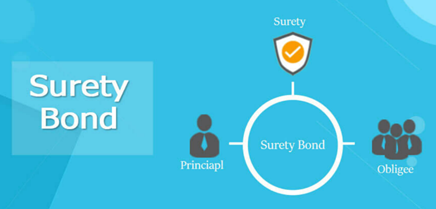
Construction bonds serve as a guarantee that a contractor will fulfill their obligations as outlined in the contract. They are often required by project owners or governmental entities to protect against financial loss resulting from a contractor’s failure to complete a project or meet specific standards. Understanding the various types of construction bonds and their roles can significantly impact the success and smooth execution of construction projects. This article will explore the different facets of construction bonds, their benefits, and how they help maintain financial stability within the industry.
 Is bonding required for all construction projects?
No, bonding is not required for all construction projects; however, many public contracts and larger projects do mandate it. Contractors should verify specific requirements for each project before bidding.
 How do I obtain a construction bond?
To obtain a construction bond, contractors typically need to provide financial documents, undergo an evaluation by a surety company, and pay a premium based on their financial profile and the bond type.
By having a payment bond in place, subcontractors are assured that they will receive payment, fostering a more collaborative and trusting environment among all parties involved. Furthermore, payment bonds can help contractors maintain good relationships with their suppliers, which is crucial for the timely delivery of materials and services. This bond can also be seen as a sign of a contractor’s commitment to ethical business practices.
Another important category is judicial bonds, which may be required in legal proceedings. These include appeal bonds, which guarantee that a party will pay the judgment in case they lose an appeal, and fiduciary bonds, which are often required for individuals managing trusts or estates. Each bond serves a unique function, and the distinctions between them are important for ensuring compliance and protecting all parties involved.
It’s essential for contractors to budget for these costs when bidding on projects, as failing to account for bonding expenses can impact profitability. Additionally, contractors should be proactive in maintaining good financial practices to keep bonding costs manageable.
Bond Amount
Typical Premium (%)
Factors Influencing Cost
$100,000
1.5%
Credit Score, Project Type
$500,000
1.0%
Business Experience, Financial Stability
$1,000,000
0.75%
Previous Claims, Reputation
$5,000,000
0.5%
Industry Relations, Contract Size
Understanding Regulatory Requirements
Navigating the regulatory landscape is crucial for contractors engaged in bonded construction. Each state may have different requirements regarding bonding, and it is essential to stay informed about these regulations. Understanding the specific criteria needed to obtain and maintain bonds can prevent potential issues that may arise during projects.
 Region
Bonding Requirement
Average Bond Cost
Northeast
Mandatory for projects over $50,000
$1,500 – $5,000
Midwest
Mandatory for all public contracts
$1,000 – $3,000
South
Optional but recommended for large projects
$1,200 – $4,000
West
Mandatory for projects over $100,000
$2,000 – $6,000
Moreover, bonds can help contractors access better financing options. Lenders often view bonded contractors as lower-risk borrowers, making it easier for them to secure loans or lines of credit when needed. This financial support can be crucial for contractors looking to expand their operations or take on larger projects.
Additionally, reviewing the terms and conditions of the bond is essential. Contractors should ensure they understand any limitations or exclusions that may apply. By choosing a reputable surety company, contractors can secure bonds that not only protect their interests but also enhance their credibility in the eyes of project owners.
 If you want to find more information in regards to the three C’s of surety bonding visit our webpage.