


maviseden75209
maviseden75209
Mastering Bid Bonds: Essential Strategies to Prevent Last-Minute Issues
Additionally, maintaining a checklist of required documents can help contractors stay organized and ensure nothing is overlooked. This proactive approach can save valuable time and reduce stress during the bidding process, allowing contractors to focus on crafting competitive bids rather than scrambling to gather documentation at the last minute.
Project Size and Complexity
The size and complexity of projects also have substantial implications for surety bond rates. Larger projects typically require more extensive bonds, which can translate to higher costs. This is because surety companies evaluate the potential risk based on the project scale. A construction endeavor with a multi-million dollar budget will come with different bonding requirements compared to a small renovation project.
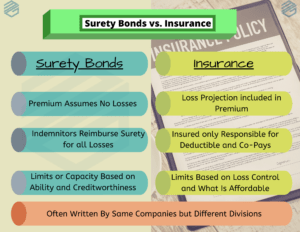
How do surety bond premiums work?
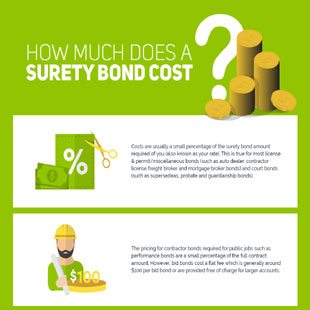
Surety bond premiums are typically calculated as a percentage of the bond amount. Factors influencing the premium include the contractor’s creditworthiness, financial stability, and the specific type of bond required.
 Are there different types of surety bonds?
Yes, there are several types of surety bonds, including performance bonds, payment bonds, and bid bonds. Each type serves a different purpose and is required under various circumstances, depending on the type of project or contract.
Lastly, payment bonds ensure that subcontractors and suppliers are paid for their work, protecting their financial interests in the project. To explore the topic further, read the three C’s of surety bonding to round out your understanding. This type of bond is particularly important in construction, where multiple parties are involved. By securing payment bonds, contractors can ensure a smoother workflow and protect their relationships with subcontractors, which can be pivotal for future projects.
 Additionally, bonding helps contractors minimize financial risks. In the event of project delays or failures, the bond ensures that clients are compensated, thus shielding contractors from potential lawsuits or claims that could arise from dissatisfied customers. This protective measure allows contractors to focus on their work without the constant worry of financial repercussions. Bonding is, therefore, not just a legal requirement; it is a strategic tool that contractors can leverage to enhance their credibility and secure better financial outcomes.
Furthermore, consider reaching out to companies that specialize in your specific industry. These providers often have a better understanding of your unique needs and may offer tailored solutions at competitive prices. Take the time to compare not just rates but also the terms and conditions associated with each bond to ensure you are making an informed decision.
 Each type of bond has its unique requirements and implications. For instance, bid bonds typically require a percentage of the total bid amount, usually ranging from 5% to 10%. Contractors must be prepared to provide collateral or demonstrate financial capability to secure these bonds. In contrast, performance bonds may require more extensive documentation and a thorough financial review, as they cover the project’s entire scope.
 Additionally, consider increasing your deductible. While this may seem counterintuitive, a higher deductible means you will bear more risk upfront in exchange for lower premiums. This strategy can significantly reduce costs, especially if you are confident in your ability to manage risks effectively.
Preparing Your Documentation for a Successful Application
Preparation is key when it comes to securing a surety bond. Contractors must ensure that they have all necessary documentation ready to support their application. This typically includes financial statements, tax returns, and information regarding the specific project for which the bond is being sought. A well-prepared application not only speeds up the process but also enhances the likelihood of approval.
Furthermore, surety bonds can also facilitate better cash flow management for contractors. With payment bonds ensuring that subcontractors and suppliers are paid promptly, contractors can maintain smoother operations without the risk of financial disputes. This aspect not only enhances relationships with subcontractors but also contributes to timely project completion, which is vital in the construction industry.
 Resource Management and Allocation
Resource management is a critical component of any construction project. To explore the topic further, read the three C’s of surety bonding for a clear overview. Contractors should prioritize effective allocation of both financial and human resources. This involves understanding the skills and capabilities of the workforce, assigning the right personnel to specific tasks, and ensuring that materials are procured in a timely manner. By optimizing resource management, contractors can reduce waste and enhance productivity, ultimately leading to increased profitability.
Project Management and Compliance Risks
Effective project management is key to mitigating risks associated with surety bonds. Poor planning and execution can lead to default situations, which can be detrimental for all parties involved. Implementing robust project management practices, such as effective communication, resource allocation, and timeline adherence, helps in fulfilling contractual obligations.