


marlyslemmone9
marlyslemmone9
The Interplay Between Surety Bonds and Your Credit Rating
There are several types of surety bonds, including performance bonds, payment bonds, and bid bonds. Each type of bond serves a specific function within the construction industry. For instance, performance bonds ensure that the contractor will complete the project according to the contract specifications, while payment bonds guarantee that subcontractors and suppliers will be paid. Understanding these distinctions can greatly aid business owners in selecting the right bond for their projects.
Contractors should engage stakeholders early in the process, inviting them to discussions about project goals and expectations. This proactive approach can help identify potential issues before they arise and create a sense of ownership among all parties involved.
Understanding the relationship between surety bonds and your credit score is essential for anyone looking to engage in business ventures that require bonding. Surety bonds serve as an assurance that contractual obligations will be fulfilled, and they are often a prerequisite for various industries, including construction, real estate, and service providers. With the bond market growing and evolving, it has become increasingly important to grasp how your credit standing influences your ability to secure these bonds. This knowledge can help you navigate potential challenges and take actionable steps to improve your creditworthiness.
How do I obtain a surety bond?
To obtain a surety bond, contractors must submit an application that includes financial statements, project history, and personal references. Working with a surety bond agent can help streamline the process and increase approval chances.
 This table outlines key considerations for contractors engaged in bonded construction work, emphasizing the importance of understanding bonding types, the bidding process, stakeholder engagement, quality assurance, and risk management.
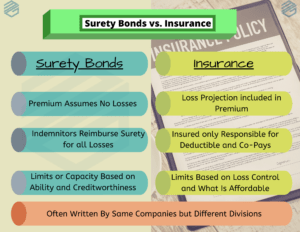 Conclusion
In conclusion, navigating the world of bonded construction work and public projects does not have to be a stressful endeavor. By understanding the bonding process and effectively managing bids and projects, contractors can position themselves for success. Engaging with stakeholders, implementing quality control measures, and developing strong risk management strategies are all crucial elements for ensuring project success. As the construction landscape continues to evolve, staying informed and adaptable will empower contractors to thrive in public project bidding and execution. If you loved this post and you would like to obtain more information pertaining to increase Construction bonding Capacity kindly pay a visit to the website. By mastering these strategies, contractors can confidently approach public projects, knowing they have the tools to succeed without unnecessary stress.
What happens if I default on a surety bond?
If you default on a surety bond, the surety company will step in to fulfill your obligations. However, they will then seek reimbursement from you for any losses incurred. Defaulting can lead to legal action and damage your credit rating, making it more challenging to obtain future bonds or financing.
 Project Management and Compliance Risks
Effective project management is key to mitigating risks associated with surety bonds. Poor planning and execution can lead to default situations, which can be detrimental for all parties involved. Implementing robust project management practices, such as effective communication, resource allocation, and timeline adherence, helps in fulfilling contractual obligations.
 How do I get preapproved for a surety bond?
To get preapproved for a surety bond, contractors should focus on maintaining a strong credit score, providing detailed financial statements, and demonstrating relevant industry experience. Engaging with a knowledgeable broker can also facilitate the process.
On the other hand, a performance bond guarantees that the contractor will complete the project according to the contract specifications. This bond is crucial for larger projects, where the risk of non-completion can have significant financial ramifications. In contrast, a payment bond ensures that all subcontractors and suppliers are paid for their work, protecting the project’s financial integrity.
Additionally, the size and scope of the project also play a crucial role in determining the bond rate. Larger projects generally require higher bond amounts, which can lead to higher premium costs. This is because the surety company takes on more risk as the potential loss increases. When preparing for a project, ensure you have a clear understanding of its scope, as this will directly influence the bond amount and the corresponding rate you will be charged.
 While surety bonds provide substantial benefits, they also come with challenges that contractors must navigate. The increased credibility and access to larger projects are significant advantages, but the associated costs and stringent requirements can pose hurdles. By weighing these factors carefully, contractors can make informed decisions about their bonding needs.
Strategies for Successful Conflict Resolution
When disputes do arise, having a clear strategy for resolution is crucial. One effective approach is to implement a dispute resolution clause in the contract, which can outline the steps to be taken in the event of a disagreement. This might include mediation or arbitration as alternatives to litigation, which can save time and resources.