


marianneogilvy
marianneogilvy
The Essential Guide to Documentation for Bonded Construction Work
Payment Bonds: Ensuring Fair Compensation
Payment bonds are essential for maintaining trust between contractors, subcontractors, and suppliers. These bonds ensure that all parties involved in the project are compensated for their services, thereby fostering a collaborative work environment. By including payment bonds in their bid packages, contractors demonstrate their commitment to fair business practices and timely payments, which can significantly enhance their reputation in the industry.
Understanding Different Types of Construction Bonds
The world of construction bonds is diverse, with several types designed to protect different parties involved in construction projects. Bid bonds, for example, are submitted along with a bid proposal and serve to assure the project owner that the contractor will honor their bid if selected. This bond is typically a percentage of the total bid amount, often ranging from 5% to 10%, and is forfeited if the contractor fails to sign the contract after being awarded the project. This financial security can significantly enhance a contractor’s bid package, as it reassures owners of the contractor’s commitment to fulfilling their obligations.
 Moreover, it’s essential to assess whether the contractor has experience with projects similar in scope and complexity to yours. A contractor who specializes in small residential projects may struggle with large commercial jobs, leading to potential complications. Ensuring that the contractor has relevant experience can minimize risks and increase the likelihood of successful project completion.
How to Secure Construction Bonds
Securing construction bonds involves a systematic approach that begins with understanding the requirements set forth by surety companies. For supporting details, review Axcess Surety bond support for step-by-step guidance. Subcontractors looking to obtain a bond should first evaluate their financial health and gather necessary documentation such as financial statements, tax returns, and project references. These documents help build a compelling case for the surety company, proving that the subcontractor is capable of completing the project as promised.
What are the consequences of poor documentation?
Poor documentation can lead to financial losses, legal disputes, and project delays. It can weaken a contractor’s position in litigation and expose all parties to additional risks.
 Furthermore, the availability of adequate resources, including skilled labor and equipment, is vital for timely project completion. A contractor who struggles to maintain a skilled workforce or has outdated equipment may experience delays and increased costs. Regular assessments of resource allocation can help identify potential issues before they escalate into significant problems.
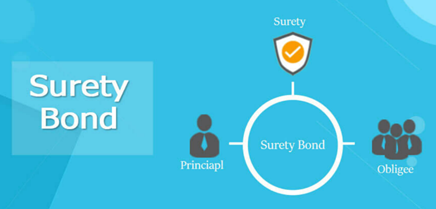 Additionally, payment bonds protect subcontractors and suppliers by ensuring they receive payment for their services and materials. This bond is essential in maintaining healthy relationships within the construction supply chain, as it fosters trust and collaboration among all parties involved. Contractors who include payment bonds in their bid packages signal their intent to adhere to fair payment practices, which can significantly enhance their reputation and increase their chances of securing projects.
In addition to protecting the project owner, bonding also benefits contractors by enhancing their credibility and enabling them to secure more projects. The bonding process, however, is not foolproof. Contractors may appear reliable on the surface, but deeper issues can surface during the project’s lifecycle, potentially leading to devastating consequences. By being aware of these issues, project owners can identify potential risks before they escalate into significant problems.
Additionally, maintaining certifications and licenses is essential for ensuring that a contractor is qualified to perform the work. A contractor who fails to secure necessary certifications may not be equipped to handle specific aspects of the project. Stakeholders should request proof of all licenses and certifications before engaging a contractor to mitigate risks associated with non-compliance.
To improve their bonding capacity, subcontractors should focus on maintaining a solid financial record, including timely payments to suppliers and subcontractors. Regularly updating financial statements and being transparent with surety companies can also foster trust and potentially increase bonding limits. By enhancing their bonding capacity, subcontractors can position themselves more favorably in the competitive construction marketplace.
Another important aspect to consider is the contractor’s communication style. A contractor who is unresponsive or vague in their communications may be hiding issues or may not possess the expertise necessary to manage the project effectively. Clear, transparent communication is essential in construction projects, as it fosters trust and ensures that all parties are on the same page regarding expectations and deliverables.