

jeannetteixw86
jeannetteixw86
Unlocking Financial Strength: The Role of Surety Bonds in Your Business
This table highlights some of the common triggers for construction bond claims, along with strategies for prevention. By understanding these triggers, stakeholders can take proactive measures to minimize risk.
 Moreover, credit scores are not just numeric values; they reflect your financial reliability over time. Surety companies often consider your credit history as part of their underwriting process. This means that they will look at how you have managed credit in the past, including any missed payments, defaults, or bankruptcies. A cleaner credit history can greatly enhance your bond application and may lead to more favorable terms.
Next, businesses must complete a bond application, which typically includes details about the project or obligation that requires the bond. This aspect of the application process is crucial because the surety needs to understand the scope and nature of the work involved. Moreover, some sureties may require collateral, particularly from businesses with limited credit history, which can be an important consideration for cash management.
The Importance of Bonding Capacity
Bonding capacity refers to the maximum amount of surety bonds that a subcontractor can obtain based on their financial standing and work history. This capacity can vary widely among subcontractors, depending on factors such as their credit rating, financial health, and experience level. Higher bonding capacity allows subcontractors to bid on larger projects, thereby expanding their business opportunities.
Provider Name
Years in Business
Average Bond Rate (%)
ABC Surety Bonds
15
3%
XYZ Bonds Corp
10
4%
Surety Solutions
20
2.5%
Reliable Bonds Inc.
8
5%
Secure Bonding Co.
25
3.5%
Construction projects are inherently complex, involving multiple stakeholders, resources, and timelines. One of the significant risks that contractors and project owners face is the potential for construction bond claims. These claims arise when a party involved in a construction project believes that a bond has been breached, often leading to disputes that can delay project completion and incur additional costs. Understanding how to prevent these claims before they arise is crucial for maintaining project integrity and financial stability.
Implementing project management tools can facilitate this monitoring process. These tools can help track timelines, budgets, and quality metrics, providing a comprehensive overview of project status. By identifying potential issues early, stakeholders can take corrective actions before they lead to claims. For instance, if a contractor is falling behind schedule, proactive measures such as reallocating resources or adjusting timelines can be implemented to keep the project on track.
What factors affect bond premiums?
Bond premiums are influenced by several factors, including the contractor’s credit score, experience level, project size, and overall risk associated with the project. Contractors with strong financial backgrounds typically qualify for lower premiums.
While securing construction bonds offers many advantages, it is essential to weigh the pros and cons. The benefits of enhanced credibility and financial protection can significantly outweigh the costs and challenges of obtaining bonds. Subcontractors who commit to improving their financial standing and understanding the bonding process are likely to find that the advantages far exceed the drawbacks.
Can I get a surety bond with bad credit?
Yes, it is possible to obtain a surety bond with bad credit, but the cost may be higher. Some providers specialize in working with contractors who have less-than-perfect credit histories, so it’s worth exploring those options.
Utilizing Professional Services
Consider enlisting the help of a financial advisor or credit repair service if you’re struggling with your credit score. These professionals can provide personalized strategies and insights, helping you understand how to improve your credit standing effectively. They may also assist in negotiating with creditors to resolve outstanding issues, which can positively impact your credit profile.
Are there costs associated with obtaining a bond?
Yes, obtaining a bond involves costs, including premium payments to the surety company, which can vary based on the subcontractor’s financial profile and the bond amount.
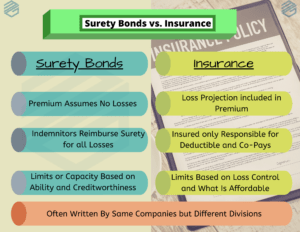 As we dive deeper into this topic, it’s vital to highlight that not all surety bond providers offer the same level of service or expertise. Therefore, knowing what to look for—such as experience, licensing, and customer service—can significantly impact your overall experience. This guide will assist you in making informed decisions about securing surety bonds for your business needs.
 Cost Factors Affecting Bond Premiums
Several factors influence the cost of construction bond premiums. Among these are the contractor’s credit score, experience level, and the overall risk associated with the project. Contractors with high credit scores and extensive experience may find themselves qualifying for lower premiums, while those with limited experience or poor credit may face higher costs.