


jeannettegrunw
jeannettegrunw
Essential Insights to Avoid Surety Bond Denials for Contractors
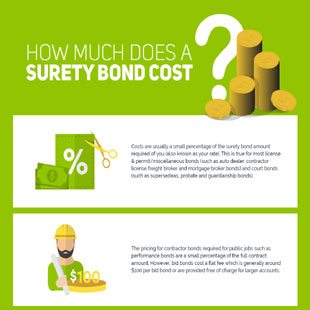 What are the costs associated with surety bonds?
The cost of surety bonds typically ranges from 0.5% to 3% of the total bond amount, depending on the bond type and the contractor’s financial standing.
 How are surety bond costs determined?
Surety bond costs are influenced by factors such as the size of the project, the contractor’s experience, the type of bond required, and overall market conditions. A contractor’s financial stability also plays a crucial role in determining costs.
 Key Components of Performance Bonds
The key components of performance bonds include the bond amount, the scope of work, and the bond duration. The bond amount is typically based on the total contract value, ensuring adequate coverage for potential losses. The scope of work outlines the specific responsibilities of the contractor, ensuring clarity in expectations. Meanwhile, the bond duration is the period during which the bond remains in effect, usually aligning with the project timeline.
 The Importance of Bond Amounts
Bond amounts are another critical aspect of surety bond pricing. The bond amount is typically determined based on the total value of the contract, often ranging from 10% to 100% of the contract value. A higher bond amount can lead to increased costs, but it also provides greater security for the obligee. Contractors must carefully consider the balance between the bond amount and the associated costs when applying for surety bonds.
Another common misunderstanding is that the process of obtaining a surety bond is overly complex. While the application process does require documentation and financial disclosures, working with experienced bonding agents can simplify the process significantly. Contractors should not shy away from exploring this avenue, as securing a bond can open doors to larger projects and clients.
In the fast-paced world of construction and contracting, understanding the intricacies of surety bonds is crucial for any business looking to expand its horizons and take on larger projects. Surety bonds serve as a vital financial tool that provides assurance to project owners that contractors will fulfill their obligations. However, the process of obtaining these bonds can often seem daunting, especially for those who are new to the industry. Knowing how to get preapproved for future projects can not only streamline operations but also open up opportunities that were previously out of reach.
If you want a deeper dive, check construction surety bonds for a quick breakdown of the essentials. Moreover, the bonding process encourages contractors to maintain sound financial practices and operational efficiency. By requiring contractors to undergo financial scrutiny, bonding serves as a motivator for contractors to improve their financial health, ultimately benefiting both their business and the industry as a whole.
Contractors with solid financial performance, strong credit scores, and a history of successful project completions are typically viewed as lower risk, which can lead to more favorable bond pricing. Conversely, contractors who are new to the industry or have experienced financial difficulties may face higher premiums. Therefore, it is crucial for contractors to maintain excellent financial records and a robust reputation to enhance their chances of securing lower bond rates.
Managing Creditworthiness Effectively
Maintaining a solid credit score is imperative for contractors seeking surety bonds. A credit score typically below 650 can be viewed as unacceptable by many surety providers. To manage their creditworthiness effectively, contractors should regularly monitor their credit reports and take steps to improve their scores. This could include paying bills on time, keeping credit utilization low, and avoiding excessive new credit applications.
 Common Misconceptions About Surety Bonds
Many contractors hold misconceptions about surety bonds that can hinder their understanding and utilization of these financial tools. A prevalent myth is that surety bonds are only necessary for large projects. In reality, even small projects may require bonding, and acquiring a bond can enhance a contractor’s credibility and attract more clients.
In the construction industry, establishing reliable partnerships is essential for success. One way contractors can solidify these relationships is through the use of surety bonds. These financial instruments are not merely a form of insurance but a crucial component that enhances credibility and trust between contractors, clients, and subcontractors. By understanding how surety bonds work and their significance, contractors can navigate the complexities of their industry more effectively. This article will delve into the nature of surety bonds, their benefits, and practical insights for contractors seeking to leverage them.
 Once approved, the surety company issues the bond, which typically involves a premium fee based on the bond amount. The premium is usually a percentage of the total bond amount and can vary based on the contractor’s credit history and financial standing. Understanding this cost structure is vital for businesses as they budget for project expenses.