


faywashington
faywashington
Mastering Construction Projects: Preventing Scope Creep for Maximum Profitability
 How can technology assist in managing scope creep?
Technology can assist in managing scope creep through project management software that enables real-time updates, effective communication, and documentation of changes. These tools help streamline processes and provide visibility into project progress, facilitating better decision-making.
 When weighing the pros and cons of bonded construction work, it is clear that while there are challenges, the benefits often outweigh them. Increased client trust and a competitive edge are compelling reasons for contractors to pursue bonding, despite the costs and complexities involved. Ultimately, a thoughtful approach to bonding can lead to enhanced client relationships and business success.
Understanding the intricacies of construction bonds is vital for any contractor aiming to thrive in a competitive market. These financial instruments serve as a safety net, ensuring that projects are completed as promised and protecting stakeholders against potential losses. The landscape of construction is fraught with uncertainties, making it crucial for contractors to grasp how to effectively manage and utilize these bonds to mitigate risks and enhance their win rates when bidding for projects. In this article, we will explore the various types of construction bonds, their significance, and actionable strategies for leveraging them to your advantage.
Strategies to Prevent Scope Creep
To effectively prevent scope creep, construction professionals must adopt a proactive approach that encompasses detailed planning, client engagement, and a well-defined scope of work. One of the fundamental strategies involves creating a comprehensive project scope document that outlines all deliverables, timelines, and responsibilities. This document serves as a contract between the contractor and the client, reducing misunderstandings and setting clear expectations.
Payment Bonds: Safeguarding Subcontractors and Suppliers
Payment bonds are essential for protecting the financial interests of subcontractors and suppliers. These bonds ensure that all parties involved in the construction project receive payment for their work and materials, effectively eliminating the risk of non-payment. This is particularly important in larger projects where multiple subcontractors and suppliers are involved, as it can be challenging to track payments across various parties.
Tools for Effective Bond Management
With the complexities of managing construction bonds, leveraging technology can significantly enhance efficiency and accuracy. Numerous software solutions are available to assist contractors and project managers in tracking bonds, ensuring compliance, and managing documentation. These tools often offer features such as automated reminders for bond renewals, document storage, and reporting capabilities to provide insights into bond management.
The table above highlights key bonding metrics that are essential for contractors to understand. For supporting details, review contractor surety bonds for a quick breakdown of the essentials. These metrics provide insights into the costs, risks, and growth of the surety market. By keeping abreast of these figures, contractors can better navigate the bonding landscape and make informed decisions regarding their projects.
 For instance, if a client requests an additional feature, the project manager should assess the resources required to implement this change and communicate the implications to the client. This transparency fosters a collaborative environment and helps manage client expectations. A well-structured change management process can serve as a safeguard against unplanned changes, ensuring that any adjustments are deliberate and well-considered.
What types of construction bonds are available?
Common types of construction bonds include performance bonds, payment bonds, bid bonds, and maintenance bonds. Each serves a specific purpose, ensuring that contractors fulfill their obligations to clients and subcontractors.
Regularly reviewing contract terms and maintaining open lines of communication with project owners can help contractors stay on track. Additionally, implementing a project management system can facilitate compliance by providing tools for tracking progress and performance. By proactively managing their obligations, contractors can minimize the risk of bond claims.
In the construction industry, managing projects effectively is crucial for ensuring that they are completed on time and within budget. A significant challenge that often arises during this process is scope creep, which can derail even the most well-planned projects. Scope creep occurs when the initial project requirements expand beyond the original agreement without corresponding increases in budget or timelines. Understanding how to control this phenomenon is essential for maintaining profit margins and ensuring overall project success.
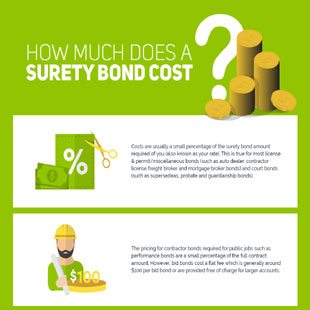 Bid bonds are crucial during the bidding phase of a project. They assure the project owner that the contractor will honor their bid if selected. If the contractor fails to proceed with the contract, the bid bond protects the owner against financial losses incurred during the re-bidding process. Understanding these bonds and their implications can help contractors navigate the complexities of project bidding and execution.