


charlene415910
charlene415910
Unlocking Exclusive Rates and Quicker Approvals in Construction Bonding
 Frequently Asked Questions
What is a surety bond in construction?
A surety bond is a contract between three parties: the contractor, the client, and the surety company. It guarantees that the contractor will fulfill their obligations, providing financial protection for the client in case of default.
 Compliance and Regulatory Adherence
Compliance with local regulations and industry standards is paramount for contractors. Failure to adhere to these requirements can lead to significant financial penalties and legal issues. Therefore, contractors should include compliance checks in their profit-protection checklist, ensuring that all aspects of the project meet the necessary legal standards.
 The Role of Surety Companies
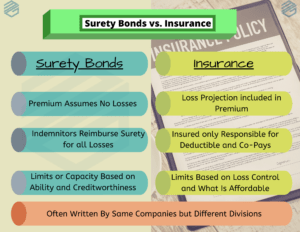
Surety companies play a critical role in the bonding process. They evaluate the contractor’s financial health, past project performance, and overall credibility before issuing a bond. The surety’s assessment involves reviewing financial statements, credit reports, and even conducting interviews with the contractor to gauge their capability.
Conclusion
In summary, understanding and leveraging the principles of bonded construction is essential for contractors seeking to distinguish themselves in a competitive market. By prioritizing credibility, utilizing technology, and staying informed about regulatory requirements, businesses can effectively position themselves as reliable partners. Additionally, investing in training and development for staff further enhances the quality of work provided. The advantages of being bonded, including increased project opportunities and enhanced financial security, outweigh the potential drawbacks. As the construction industry continues to evolve, embracing bonded work will be critical for long-term success and sustainability.
How do I apply for a construction bond?
To apply for a construction bond, a contractor must submit an application to a surety company, providing information about their business, financials, and experience. The surety will assess this information before deciding whether to issue the bond.
Communication with Clients and Stakeholders
Effective communication is a cornerstone of successful project execution. Contractors should prioritize open lines of communication with clients and stakeholders throughout the project lifecycle. This involves regular updates on project progress, addressing client concerns promptly, and seeking feedback to ensure alignment with client expectations.
Weighing the pros and cons of bonding provides valuable insights for contractors. While the benefits of increased credibility and access to larger projects are substantial, the costs and complexities involved cannot be overlooked. By carefully assessing these factors, businesses can make informed decisions that align with their goals.
Many contractors find it beneficial to consult with legal experts or industry associations to ensure compliance with local and federal regulations. This proactive approach not only helps avoid fines but also enhances a contractor’s reputation as a reliable and compliant business.
Frequently Asked Questions
What are surety bonds?
Surety bonds are contracts among three parties that guarantee the principal will fulfill their obligations to the obligee. If the principal fails to do so, the surety covers the financial loss, ensuring that the obligee is protected.
One of the first steps in creating a profit-protection checklist is conducting thorough project assessments. This includes evaluating the scope of work, understanding client expectations, and identifying any potential challenges that may arise during the project. By having a clear understanding of the project requirements, contractors can allocate resources effectively and develop contingency plans to address unforeseen circumstances.
Moreover, construction bonds can open doors to larger projects. To expand on this point, see surety underwriting looks beyond numbers for a clear overview. Many government contracts and larger private projects require contractors to be bonded, so having these bonds in place can expand the range of opportunities available. Additionally, bonds can help mitigate financial risks, providing a layer of protection against unforeseen circumstances that could lead to project delays or failures.
Benefits of Bonded Work
Engaging in bonded construction offers numerous advantages for contractors. One of the most significant benefits is enhanced credibility. When a contractor is bonded, it signifies a level of professionalism and reliability that is often required in the industry. This can be particularly beneficial when working with government contracts or larger corporations that mandate bonding for any subcontractors involved in their projects.
 Moreover, certain clients and government entities require surety bonds for projects above a certain value. By obtaining these bonds, contractors not only meet these requirements but also position themselves favorably against competitors who may not have the necessary bonding capacity. This strategic advantage is crucial for businesses looking to expand their scope and take on more significant challenges.