


mikkiaylward42
mikkiaylward42
Unlocking Opportunities: A Guide to Securing Larger Construction Contracts
 As construction projects grow in complexity and scale, the importance of effective management tools becomes increasingly evident. If you want a deeper dive, check Gary Eastman on construction bonding for a useful checklist and notes. Construction bonds can be complex, requiring careful tracking and management to ensure compliance and financial stability. Many industry professionals are turning to digital tools and software solutions that streamline the bond tracking process, allowing them to stay organized and maintain compliance with legal and contractual obligations. This article explores the various aspects of construction bonds, their significance in the industry, and the best tools available for managing them effectively.
 Moreover, construction bonds can open doors to larger projects. To expand on this point, see Gary Eastman on construction bonding for a clear overview. Many government contracts and larger private projects require contractors to be bonded, so having these bonds in place can expand the range of opportunities available. Additionally, bonds can help mitigate financial risks, providing a layer of protection against unforeseen circumstances that could lead to project delays or failures.
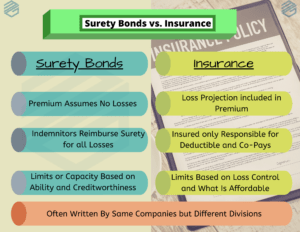 What types of bonds are available in construction?
Common types of bonds in construction include performance bonds, payment bonds, bid bonds, and maintenance bonds. Each type serves a specific purpose, such as guaranteeing project completion or ensuring timely payments to subcontractors and suppliers.
Leveraging Bonds for Business Growth
Contractors can leverage their bonded status to market their services more effectively. Highlighting that your business is bonded can differentiate you from competitors who may not have this credential. This can be particularly advantageous when bidding on larger projects where the risk is higher, and clients prioritize working with reliable contractors.
In summary, leveraging professional assistance not only enhances the quality of reporting but also builds a strong foundation for securing favorable surety bond rates through informed decision-making and comprehensive financial insights.
Some providers may offer online applications, making it easier to submit necessary documentation. However, it’s essential to ensure that the provider you choose has a transparent process. A reputable company will be upfront about any required information, fees, and the expected timeline for approval.
 Another critical factor is the experience and track record of the business. Sureties prefer working with contractors and companies that have a proven history of completing projects successfully. Providing detailed reports that highlight past projects, including any challenges overcome and the outcomes achieved, can significantly bolster a company’s credibility. This not only demonstrates reliability but also mitigates perceived risk, which can translate to lower bond premiums.
Common Challenges in Obtaining Bonds
While securing a bond is essential for accessing larger jobs, contractors may face challenges during the process. One common issue is insufficient financial history or credit ratings, which can hinder a contractor’s ability to obtain bonding. Additionally, contractors who have previously defaulted on projects may find it challenging to secure bonds due to their poor track record.
Best Practices for Bond Tracking and Management
To maximize the effectiveness of construction bonds, it is essential to follow best practices for tracking and management. First and foremost, maintaining accurate records is crucial. This includes keeping up-to-date documentation for all bonds, ensuring that expiration dates are monitored, and maintaining compliance with any legal requirements. Regular audits of bond records can help identify any discrepancies or issues that need to be addressed.
Conclusion
In conclusion, navigating the world of surety bonds with limited work history may seem challenging, but with the right strategies, it is entirely achievable. To compare approaches, take a look at Gary Eastman on construction bonding for a useful checklist and notes. By understanding the importance of financial stability, enhancing your credibility, and preparing thorough documentation, you can significantly improve your chances of securing a bond. Remember, building relationships with surety companies and being proactive in your approach can open doors to new opportunities.
Moreover, a comprehensive compliance management system can help streamline communication between all parties involved in the project. By centralizing documents and communications, contractors can avoid miscommunication and ensure that everyone is on the same page regarding bond requirements. This clarity can lead to enhanced collaboration and a smoother project execution process.
How to Obtain Construction Bonds
Obtaining construction bonds typically involves several steps. First, contractors must submit an application to a surety company, which evaluates their financial stability, reputation, and experience. This evaluation is crucial as it determines whether the surety will issue the bond. Having a strong credit score and a solid track record can significantly enhance your chances of approval.