


juanaalbritton
juanaalbritton
Unlocking Reliability in Construction: A Guide to Project Bonds
 In weighing the pros and cons of construction bonds, it becomes evident that while they offer significant benefits, they also present challenges that must be navigated carefully. Contractors must consider the financial implications and prepare adequately to secure bonds that will ultimately benefit their business.
Bid Bonds: A Commitment to Serious Bidding
Bid bonds serve as a preliminary measure to ensure that contractors are serious about their bids. For a practical reference, consult operational discipline for bonded projects for step-by-step guidance. When a contractor submits a bid for a project, a bid bond guarantees that they will enter into a contract if their bid is accepted. If the contractor fails to do so, the surety company compensates the project owner for the difference between the contractor’s bid and the next lowest bid.
 Another critical strategy is to maintain open lines of communication with all stakeholders involved in the project. Regular updates and transparent discussions with clients, subcontractors, and suppliers can foster trust and collaboration. When everyone is on the same page, it can significantly reduce the likelihood of disputes, which often lead to cash flow issues. Additionally, establishing clear payment terms with subcontractors can ensure timely payments and help maintain cash flow.
 Frequently Asked Questions
What are construction bonds, and why are they important?
Construction bonds are financial instruments that guarantee the performance and payment obligations of contractors. They are crucial for protecting project owners against financial loss in case contractors fail to meet their obligations.
 Additionally, surety bonds can enhance a contractor’s reputation within the industry. By demonstrating financial reliability and a commitment to fulfilling contractual obligations, contractors can build trust with clients and stakeholders. This trust can lead to more significant project opportunities and repeat business, ultimately contributing to long-term success.
The Importance of Surety Bonds
Surety bonds play a vital role in the construction process, providing a safety net for project owners and instilling confidence in contractors. They assure clients that the contractor has the financial backing to complete the job. This is especially important for new contractors who may not have an established reputation. By obtaining a surety bond, they can demonstrate their credibility and commitment to quality work.
How to Choose the Right Surety Company
Selecting the right surety company is a critical decision for contractors. Not all surety companies are created equal; some specialize in specific types of projects or have varying levels of expertise. Contractors should consider the surety company’s reputation, experience, and customer service when making their choice.
Overcoming Misunderstandings About Bonding Requirements
Understanding the specifics of bonding requirements is crucial for contractors looking to navigate the construction landscape effectively. Many contractors mistakenly believe that bonding is only applicable in certain states or regions. However, bonding requirements can vary significantly depending on the project type, client, and local regulations.
How do I obtain a construction bond?
To obtain a construction bond, contractors typically need to provide financial documents, undergo an evaluation by a surety company, and pay a premium based on their financial profile and the bond type.
In practice, when a contractor applies for a surety bond, they undergo a thorough underwriting process. This evaluation assesses their financial stability, experience, and ability to complete the project at hand. The better the contractor’s track record and financial health, the easier it is to obtain a bond. This process not only serves as a risk mitigation tool for the obligee but also acts as a form of credit enhancement for the contractor, allowing them to take on larger projects than they might otherwise be able to manage.
Conclusion
In summary, surety bonds represent a compelling avenue for businesses aiming to increase their capacity and secure larger contracts. To expand on this point, see operational discipline for bonded projects to round out your understanding. By understanding the fundamentals of surety bonds, including their types, benefits, and challenges, organizations can better position themselves for growth in a competitive marketplace. The financial implications of these bonds can lead to enhanced credibility, improved cash flow, and increased access to significant projects. While navigating the complexities of the surety bond process may pose challenges, the advantages they offer make them an invaluable asset for businesses willing to leverage them effectively. By engaging with bonding professionals and building strong financial practices, companies can unlock new opportunities and achieve sustained success.
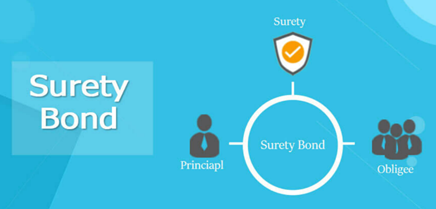 Weighing the pros and cons of surety bonds is essential for contractors considering their options. While the benefits often outweigh the potential drawbacks, it is crucial to approach the bonding process with a clear understanding of the financial and reputational implications involved. By doing so, contractors can make informed decisions that align with their business goals and project aspirations.