


blakebarwell41
blakebarwell41
Mastering Construction Bonding: A 30-Day Strategy for Increased Capacity
Establishing a positive relationship with surety companies is crucial for contractors seeking to secure bonding. This relationship can be built through consistent communication and transparency regarding project operations. Contractors should keep surety companies informed about project developments, challenges, and successes to foster trust and collaboration.
What are the risks of not being bonded?
Contractors who are not bonded may miss out on project opportunities, as many clients require bonding as a prerequisite. Additionally, lack of bonding can result in diminished client trust and credibility, hindering long-term business growth.
How do I know if I qualify for a bond?
Qualifications for a bond typically depend on your financial stability, credit score, and previous project experience. Bonding companies will evaluate these factors before issuing a bond.
 In the ever-competitive world of construction, winning client loyalty is paramount for sustained success. One effective way to achieve this is through bonded construction work, a strategy that not only builds trust but also enhances the reputation of a construction company. By leveraging bonding mechanisms, contractors can assure clients of their commitment to quality and reliability, which significantly influences the likelihood of repeat business. This article will explore various dimensions of bonded construction work, emphasizing its impact on client relationships and business growth.
Contractors should establish a compliance checklist that includes all necessary documentation, deadlines, and reporting requirements. Regular audits can also help identify any potential compliance issues before they escalate. By staying proactive in compliance matters, contractors can safeguard their bonding status and continue to build trust with clients.
How to Secure a Construction Bond
Securing a construction bond involves several key steps that contractors should follow to ensure a smooth process. First, it is advisable to assess your bonding needs by understanding the types of bonds required for your specific projects. Once you have identified the necessary bonds, you can begin seeking out a reliable surety company that specializes in construction bonds.
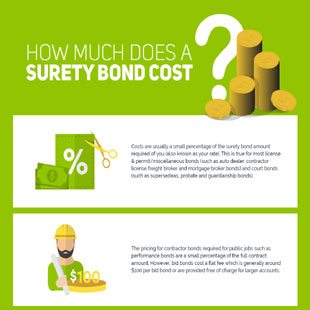 Understanding the intricacies of bonding is crucial for anyone looking to secure governmental contracts. A bond serves as a guarantee to the project owner that the contractor will fulfill their obligations. It is an assurance that the job will be completed to standard and within the agreed-upon timeframe. As public projects often involve taxpayer money, the requirement for bonding is especially stringent. Therefore, having a clear grasp of the bonding process can be the difference between securing a job and missing out on valuable contracts.
 Understanding the purpose and mechanics of surety bonds is vital for anyone looking to engage in contracts requiring them. For additional context, visit Axcess Surety for contractors for related insights and background. These bonds are essentially guarantees provided by a third party, known as the surety, which ensures that the principal (the party that needs the bond) will perform their obligations as stipulated in a contract. If the principal fails to meet these obligations, the surety will compensate the affected parties, making sure that all parties involved are protected. This protective layer is crucial in sectors such as construction, where compliance with regulations and project completion is critical.
 Types of Surety Bonds
There are several types of surety bonds, each tailored to specific needs and industries. Performance bonds, for example, guarantee that a contractor will complete a project according to the contract terms. Payment bonds, on the other hand, ensure that subcontractors and suppliers are paid for their work and materials. Additionally, license and permit bonds may be required by local or state governments to ensure that businesses comply with regulations and laws. Understanding these various types is crucial for anyone in need of a bond, as it determines which bond is necessary for their particular situation.
Bond Type
Purpose
Common Requirements
Performance Bond
Guarantees project completion as per contract
Contract details, financial statements
Payment Bond
Ensures subcontractors and suppliers are paid
Project details, contractor information
License Bond
Required for business licensing compliance
Business licenses, financial stability
Judicial Bond
Required in legal proceedings
Legal documentation, court orders
 There are several types of bonds available in the construction industry, each serving a unique purpose. The most common types include performance bonds, payment bonds, and bid bonds. A performance bond guarantees that the contractor will fulfill their contractual obligations, providing assurance to clients that the project will be completed as specified. On the other hand, a payment bond ensures that subcontractors and suppliers will be paid, thus protecting the client from potential liens on the property.