
leliafilson305
leliafilson305
Understanding the Essentials of Construction Bonds in the USA
 Another key benefit is improved resource management. For more perspective, see Recommended Web-site for a quick breakdown of the essentials. With a bonded approach, teams can better coordinate their efforts, reducing waste and optimizing the use of materials and labor. For instance, when trades are aligned, they can schedule their work more effectively, minimizing downtime and ensuring that resources are used efficiently. This can lead to significant cost savings over the course of a project.
 Another case involved a residential construction company that embraced continuous improvement and collaboration across its teams. They held regular feedback sessions to assess their processes and make adjustments as needed. This commitment to improvement not only led to higher client satisfaction but also reduced the number of rework instances, saving both time and money.
 How do I apply for a surety bond?
To apply for a surety bond, contractors must gather necessary documentation, including financial statements and project history. After submitting an application, the bonding company will assess the contractor’s financial stability and issue a quote if approved.
Technology Integration: Enhancing Bonded Work
The implementation of technology plays a significant role in enhancing bonded construction work. Tools like project management software, mobile applications, and cloud-based platforms allow teams to share information in real time. This accessibility helps in keeping everyone on the same page, which is vital for maintaining continuity throughout the project.
State-Specific Bonding Requirements
Each state has its own regulations regarding construction bonds, making it essential for contractors to familiarize themselves with local laws. For supporting details, review Recommended Web-site for examples and key takeaways. For instance, some states mandate that performance and payment bonds are required for all public works projects, while others may only require them for projects exceeding a certain dollar threshold. Understanding these requirements can help contractors navigate the bidding process more effectively and avoid potential legal issues.
Benefits of Surety Bonds for Contractors
Surety bonds offer numerous benefits for contractors, enhancing their marketability and financial standing. First and foremost, obtaining a surety bond provides a competitive edge in the bidding process. Many project owners require surety bonds before awarding contracts, so having one can set a contractor apart from competitors who may not have the financial backing to secure a bond.
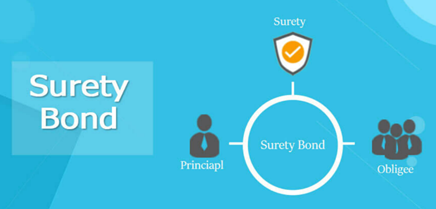
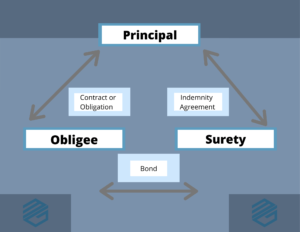
When a contractor applies for a bond, they undergo a thorough evaluation by the surety company. This process includes an assessment of their financial stability, experience, and the specific project details. If approved, the bond provides a guarantee to the project owner that the contractor will meet their contractual obligations. If the contractor fails to do so, the surety company steps in to cover the financial losses, thereby protecting the project owner’s interests.
How can a contractor improve their chances of securing a bond?
Contractors can improve their chances of securing a bond by maintaining a strong financial history, providing accurate documentation during the application process, and demonstrating experience in completing similar projects. Additionally, working with a reputable bonding agent can help navigate the process more effectively.
Additionally, surety bonds can enhance a contractor’s reputation within the industry. By demonstrating financial reliability and a commitment to fulfilling contractual obligations, contractors can build trust with clients and stakeholders. This trust can lead to more significant project opportunities and repeat business, ultimately contributing to long-term success.
The Concept of Bonded Construction Work
At its core, bonded construction work is about creating a unified approach to project execution. This method encourages collaboration between various construction disciplines, which often operate in silos. By breaking down these barriers, teams can share insights and strategies that lead to improved efficiency and productivity. For instance, when engineers, architects, and contractors work closely together from the project’s inception, they can identify potential issues early on, ultimately saving time and resources.
In this exploration of surety bonds, we will cover various aspects, including their types, benefits, application processes, and common pitfalls to avoid. By the end of this guide, you should have a solid grasp of how surety bonds function and why they are a critical element in the successful execution of construction projects across the United States.
In the fast-paced world of construction, efficiency is paramount. As projects grow in complexity, the need for effective practices that enhance productivity becomes increasingly vital. One particular approach that has garnered attention in the industry is the concept of bonded construction work. This method not only streamlines processes but also integrates various elements of construction to create a cohesive workflow. Understanding this approach can lead to significant improvements in project delivery and overall capacity.