


sethmcelhaney
sethmcelhaney
Navigating the Essentials of Construction Bonds: A Contractor’s Guide to Approval
 Improving Your Creditworthiness
Improving creditworthiness is vital for contractors seeking favorable bond rates. This can be achieved through various strategies, including timely payment of debts, maintaining low credit utilization, and regularly checking credit reports for errors. Contractors should also consider diversifying their portfolio and completing projects on time to build a robust reputation.
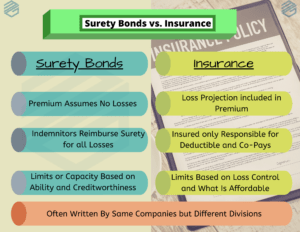 The importance of these bonds cannot be overstated. They not only provide a layer of security for project owners but also enhance a contractor’s credibility. By obtaining the necessary bonds, contractors demonstrate their commitment to fulfilling their contractual obligations, which can be a deciding factor for clients when selecting a contractor for their projects.
 During negotiations, it is essential to present a detailed analysis of the change order, including reasons for the adjustment and its anticipated effects. To explore the topic further, read character capacity and capital to see common pitfalls and fixes. Providing clients with a comprehensive overview can help them understand the necessity of the change and justify the associated costs. This transparency can facilitate smoother negotiations and lead to mutually beneficial agreements.
Project owners should also conduct due diligence when selecting contractors, ensuring they work with reputable companies that have a solid bonding history. Requesting proof of bonding and reviewing past performance records can provide insight into a contractor’s reliability. By ensuring that contractors are adequately bonded, project owners can mitigate potential risks and protect their investments.
Provider Name
Years in Business
Average Bond Rate (%)
ABC Surety Bonds
15
3%
XYZ Bonds Corp
10
4%
Surety Solutions
20
2.5%
Reliable Bonds Inc.
8
5%
Secure Bonding Co.
25
3.5%
Furthermore, contractors must provide detailed information about their financial stability, including credit history, financial statements, and any previous bonding experiences. Surety companies assess this information to determine the contractor’s risk level and decide whether to issue the bond. Contractors with strong financial backgrounds and proven track records are more likely to secure bonds with favorable terms.
In addition to external factors, internal issues such as poor project management and communication breakdowns can lead to delays. Without clear communication, team members may not understand their roles or responsibilities, creating confusion and inefficiency. This is particularly true in large projects where multiple contractors and subcontractors are involved. Establishing a clear communication strategy and ensuring that all parties are informed can greatly reduce the risk of delays.
Strategies for Managing Bond Costs
Contractors seeking to manage bond costs can adopt several strategies. One effective approach is to improve financial stability by paying down debts and increasing liquidity. This can enhance a contractor’s creditworthiness and, consequently, lower bond premiums. Furthermore, building strong relationships with surety companies can provide contractors with valuable insights on how to secure bonds more cost-effectively.
Additionally, contractors can consider bundling their bond needs with a single surety company to potentially negotiate better rates. By consolidating their bonding requirements, contractors may leverage their overall business relationship to secure favorable terms.
Furthermore, incorporating case studies and real-world examples into training can help teams understand the nuances of managing change orders in bonded construction work. This practical knowledge can empower team members to make informed decisions when faced with change orders, ultimately leading to better project outcomes.
In weighing the pros and cons, it’s clear that while surety bonds provide essential protections and benefits, they also come with costs and complexities that need to be considered. Understanding both sides will help prospective bond buyers make informed decisions about their bonding needs.
Establishing Change Order Procedures
Establishing a clear set of procedures for handling change orders is crucial for any construction project. These procedures should outline how change orders are initiated, reviewed, approved, and documented. By having a standardized process in place, contractors can respond to changes more efficiently and minimize potential disruptions.
 Another crucial factor is the contractor’s experience and track record. Contractors with a history of successful project completions are generally viewed as lower-risk by surety companies, which can lead to more favorable bond rates. Conversely, new contractors or those with a history of defaults may face steeper costs. Therefore, maintaining a solid reputation in the industry is essential for securing competitive rates.