


svenconners910
svenconners910
Understanding the Essentials of Contractor Bonds in the USA
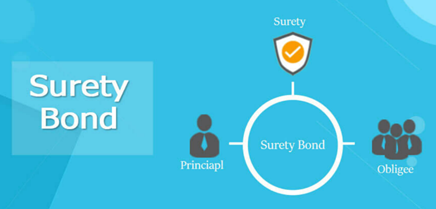 What is the cost of a construction bond?
The cost of a construction bond typically ranges from 1% to 3% of the bond amount. Factors such as creditworthiness and the type of bond required can influence the final premium.
Why Contractors Should Obtain Bonds
Obtaining bonds offers numerous advantages for contractors. Firstly, being bonded increases credibility and trustworthiness in the eyes of potential clients. It demonstrates a commitment to fulfilling contractual obligations and enhances the contractor’s reputation. Secondly, many clients, especially in the public sector, require contractors to be bonded before considering their bids. This requirement can limit competition, giving bonded contractors an edge.
Are performance and payment bonds required for all construction projects?
Not all construction projects require bonds; however, public projects typically mandate them to protect public funds. Private projects may also require bonds based on the contract terms.
Lastly, don’t overlook the importance of understanding the specific requirements for bonds in your jurisdiction. Different states may have varying regulations, which can affect your eligibility or the types of bonds needed. Stay informed to avoid unnecessary complications in the bonding process.
Can contractors negotiate bond terms?
Yes, contractors can negotiate terms with surety companies. Demonstrating a solid track record of successful project completion and financial responsibility can strengthen a contractor’s position during negotiations.
Strategies for Lowering Surety Bond Costs
Contractors seeking to lower their surety bond costs can employ various strategies. If you want a deeper dive, check just click the following internet site for a clear overview. One effective method is to improve their financial standing. This includes maintaining a strong credit score, managing debts wisely, and ensuring that financial statements are accurate and up-to-date. By presenting a strong financial profile, contractors can negotiate better bond rates with surety companies.
Conclusion
In conclusion, surety bonds are a vital component of the construction industry that can significantly impact a contractor’s success. By understanding the fundamentals of surety bonds, the factors influencing their pricing, and effective strategies for managing costs, contractors can leverage these financial instruments to their advantage. Building strong relationships with surety companies and maintaining a solid financial standing are critical steps in this process. Ultimately, navigating the world of surety bonds with knowledge and confidence can lead to enhanced project opportunities and a more successful business.
 In many cases, project owners will require both performance and payment bonds as a condition for contract award. This dual requirement reinforces the necessity for contractors to understand these bonds thoroughly and to maintain a positive relationship with their surety providers. As the construction landscape grows more competitive, having a solid understanding of bonding requirements can give contractors a significant edge in securing contracts.
Obtaining a performance bond requires the contractor to demonstrate financial stability and project management capabilities. Insurance companies or surety bond providers assess the contractor’s creditworthiness, experience, and overall business operations before issuing the bond. This process can be rigorous, but it ultimately strengthens the contractor’s position in the market.
Weighing the pros and cons of securing surety bonds is essential for contractors. While the benefits of financial security and access to larger projects are compelling, contractors must also consider the associated costs and complexities involved in the bonding process. Evaluating these factors in light of individual business circumstances can help contractors make informed decisions about their bonding strategies.
 Are there different types of surety bonds?
Yes, there are several types of surety bonds, including performance bonds, payment bonds, bid bonds, and license bonds, each serving a distinct purpose in protecting stakeholders in a project.
Can new contractors obtain surety bonds?
Yes, new contractors can obtain surety bonds, although they may face higher premiums due to a lack of proven experience. Building a solid financial profile can help mitigate these costs.
Investing in training and development for employees is crucial when scaling. A skilled workforce can handle larger projects and ensure quality work, which is essential for maintaining a positive reputation. Furthermore, developing a strong management team can help oversee the expansion process and ensure that all aspects of the business are running smoothly.
In the fast-paced world of contracting, understanding the nuances of surety bonds is vital for both success and financial security. Contractors often find themselves navigating a complex landscape of requirements and regulations, and the costs associated with surety bonds can add up quickly. However, with the right strategies and insights, contractors can find significant savings opportunities that not only enhance their financial standing but also their project bidding capabilities. This guide delves into essential tips and strategies that contractors can utilize to maximize their savings on surety bonds, enabling them to focus on what they do best—delivering quality work.