
amado491852826
amado491852826
Unlocking Financial Strength: The Role of Surety Bonds in Your Business
 When preparing a bid, it is essential to include a clear understanding of the specific bond requirements outlined in the project documents. Many project owners may specify particular types of surety bonds, including performance bonds, payment bonds, or bid bonds. Each type serves a distinct purpose and has different implications for the contractor’s obligations. A well-prepared contractor will ensure that they are not only aware of these distinctions but also prepared to meet the requirements set forth in the bidding documents.
 Furthermore, performance bonds serve as a crucial risk management tool. By engaging in bonded work, contractors can avoid significant losses that may arise from project abandonment or poor execution. This added layer of protection allows contractors to focus on quality and efficiency, knowing that they have financial backing in case of unforeseen circumstances. Understanding the implications of performance bonds is vital for contractors aiming to protect their profits and maintain project integrity.
 Additionally, tracking expenses is essential for maintaining financial health. Contractors should integrate cost-tracking mechanisms into their profit-protection checklist, allowing them to monitor expenditures in real time. This proactive approach enables contractors to identify any budget overruns early on, facilitating timely corrective actions. By maintaining a clear financial overview, contractors can make informed decisions that support their profit margins.
 In weighing the pros and cons, it’s clear that while surety bonds provide essential protections and benefits, they also come with costs and complexities that need to be considered. Understanding both sides will help prospective bond buyers make informed decisions about their bonding needs.
The Application Process for Surety Bonds
Applying for a surety bond involves several steps that require careful preparation and documentation. First, businesses must gather financial statements, tax returns, and information about their business operations. This documentation is critical as it helps the surety evaluate the risk associated with issuing a bond. A strong financial history often results in lower premiums and better terms, which can further enhance the financial position of the business.
Types of Surety Bonds
Understanding the different types of surety bonds is essential for contractors. For more perspective, see construction surety bonds for a quick breakdown of the essentials. Performance bonds are necessary for large projects, ensuring that contractors will complete their work as specified. Payment bonds protect subcontractors and suppliers, mitigating the risk of non-payment. Bid bonds serve as a pre-qualification measure, allowing project owners to evaluate the contractor’s reliability. Each bond type plays a crucial role in the contractor’s ability to secure projects and maintain cash flow.
Frequently Asked Questions
What is a surety bond?
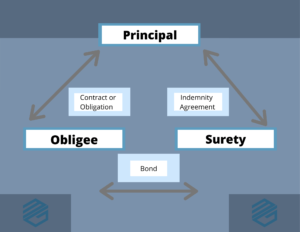
A surety bond is a contract involving three parties ensuring that a contractor will fulfill their obligations as agreed. It provides financial protection to project owners in case the contractor fails to meet their commitments.
Additionally, licensed surety bond companies are often required to maintain certain financial standards, which helps ensure their reliability. They must also adhere to ethical business practices, which adds an extra layer of security for clients. Before engaging with a surety bond provider, always confirm their licensing status through your state’s insurance department or regulatory agency.
Understanding Surety Bond Costs
The costs associated with surety bonds can vary widely depending on several factors, including the contractor’s creditworthiness, project size, and bond type. Typically, contractors can expect to pay between 0.5% to 3% of the bond amount as a premium. Understanding these costs is essential for budgeting and financial planning during the bidding process.
For example, a contractor bidding on a public project may be required to submit a bid bond to demonstrate their financial capability. If awarded the contract, they will then need to provide both performance and payment bonds to proceed. Understanding these requirements can help contractors prepare adequately for bidding and project execution.
 Conclusion
In conclusion, surety bonds play a crucial role in strengthening the financial profiles of businesses across various industries. By understanding the types of bonds available and their impact on financial statements, organizations can leverage them to enhance their credibility, improve cash flow, and secure more contracts. While the costs and complexities of obtaining these bonds may seem daunting, the long-term benefits far outweigh the drawbacks. Businesses that embrace surety bonds as a strategic financial tool stand to gain a competitive edge in today’s challenging market, ultimately leading to growth and success.